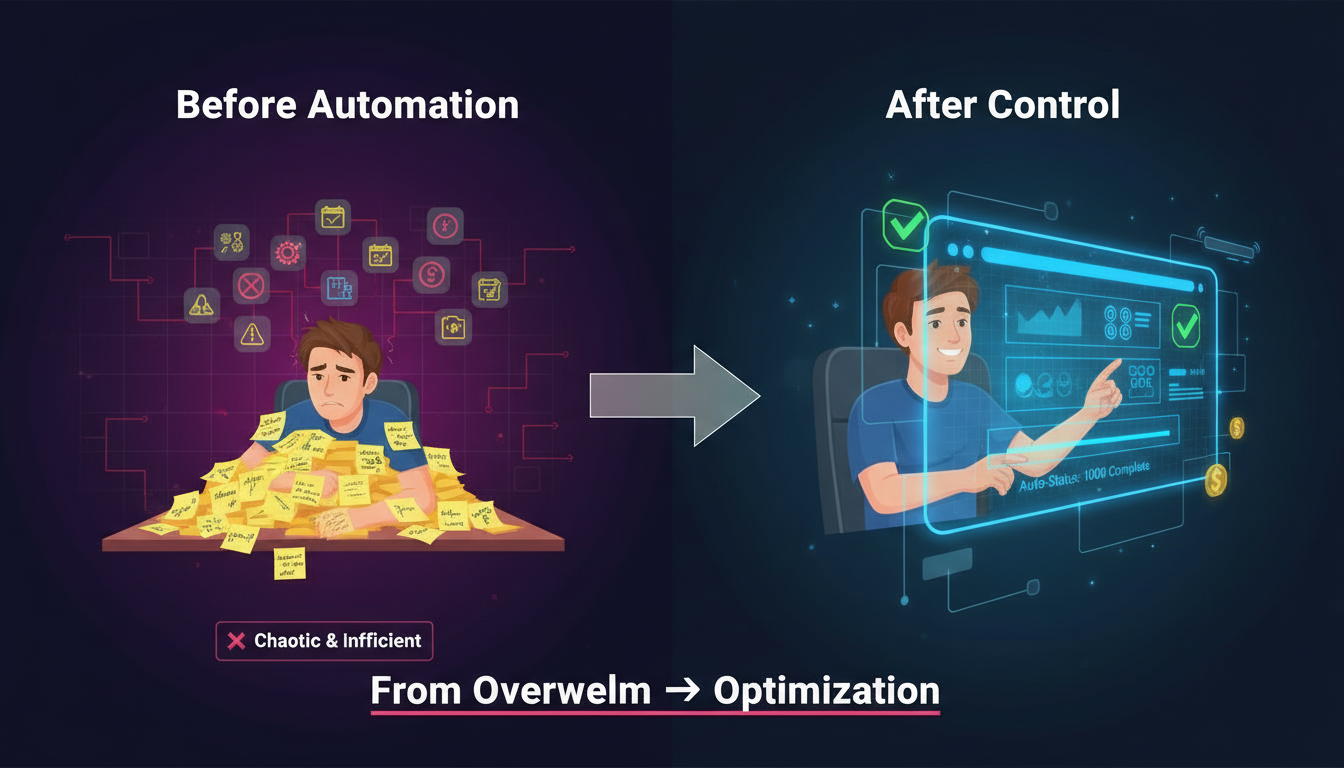

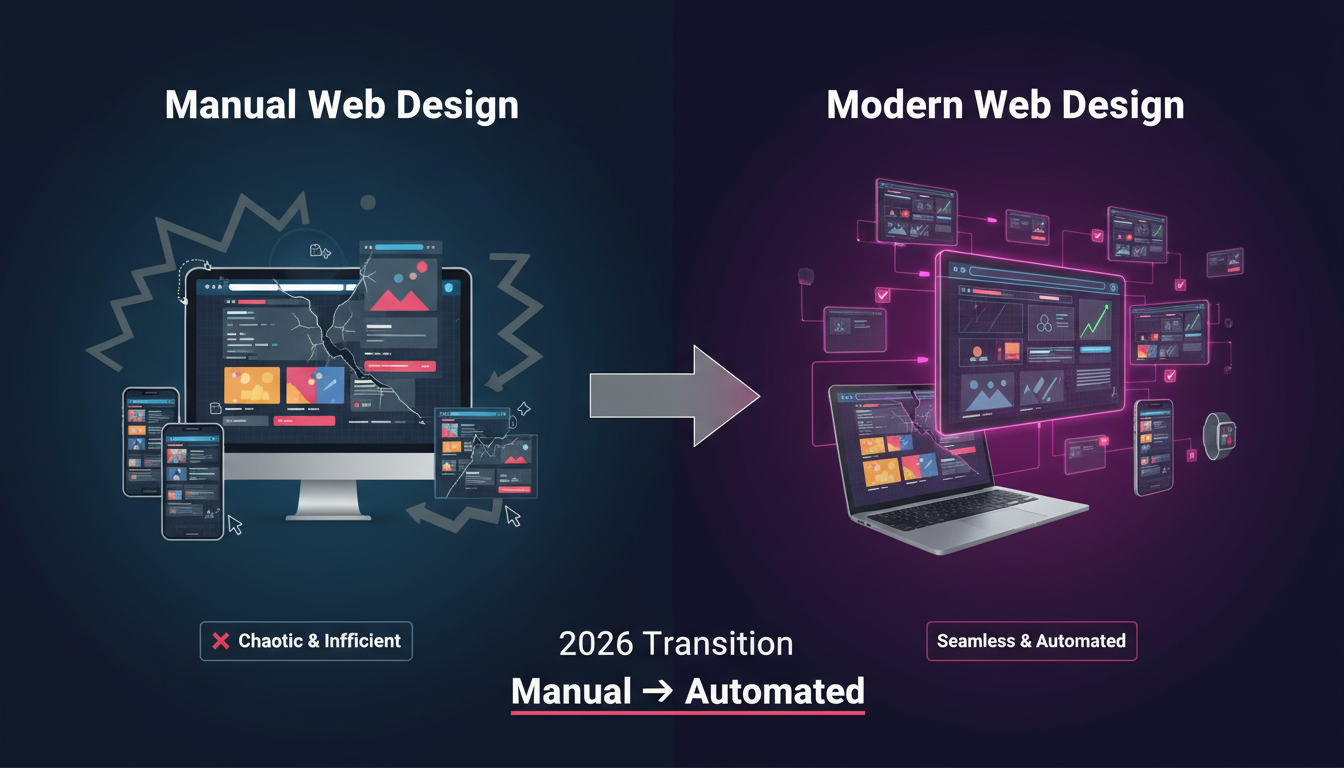
In today’s fast-paced business world, efficiency is key to staying competitive. Yet, many businesses still rely on manual operations for tasks that could be automated. From data entry to invoice processing, these outdated methods may seem harmless but can quietly stifle growth. In this article, we explore why manual operations are holding your business back and how automation can accelerate your success.
What Are Manual Operations?
Manual operations refer to tasks that require human effort instead of technology or automated systems. Common examples include:
- Entering data into spreadsheets
- Manually generating reports
- Processing invoices by hand
- Tracking inventory with paper logs
While these tasks may have worked in the past, they consume time, increase errors, and limit scalability.
The Hidden Costs of Manual Processes
Even if your business seems stable, manual operations can drain resources in ways that aren’t immediately obvious:
Time Wastage
Employees spend hours on repetitive tasks instead of focusing on strategic work. For example:
- Manually reconciling accounts can take days instead of hours
- Filing paperwork slows project completion
Increased Errors
Human error is inevitable in repetitive tasks. Mistakes in invoicing, data entry, or inventory tracking can:
- Hurt client relationships
- Lead to financial losses
- Cause compliance issues
Poor Scalability
Manual processes do not scale efficiently. As your business grows, these tasks multiply, causing:
- Bottlenecks in operations
- Slow response to market changes
- Overworked staff and higher turnover
Why Businesses Hesitate to Automate
Some companies resist automation due to:
- High upfront costs
- Fear of technology replacing staff
- Lack of knowledge about tools
However, the long-term ROI from automation far outweighs the initial investment. Companies that automate critical processes report:
- 30–50% faster task completion
- 20–40% reduction in operational costs
- Increased employee satisfaction
Steps to Start Automating Your Business
- Identify Repetitive Tasks – Make a list of all manual operations.
- Choose the Right Tools – Use software that fits your business needs.
- Train Your Team – Ensure employees know how to use new systems.
- Monitor & Optimize – Continuously measure efficiency improvements.
For example, accounting software like QuickBooks can replace manual bookkeeping, while CRM systems like HubSpot automate customer follow-ups.
Conclusion
Manual operations may seem harmless, but they quietly hold back business growth by wasting time, increasing errors, and limiting scalability. Automation is no longer optional—it’s essential for businesses aiming to thrive in a competitive market.