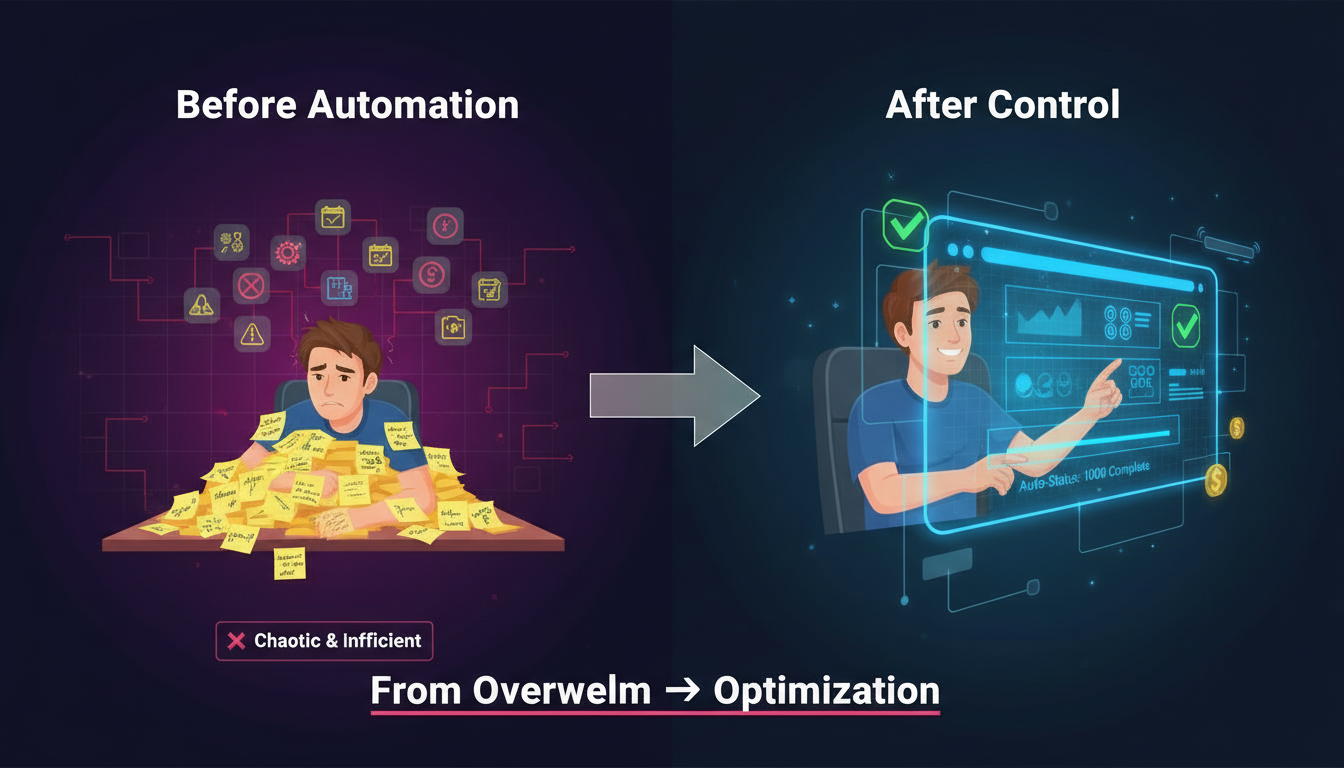

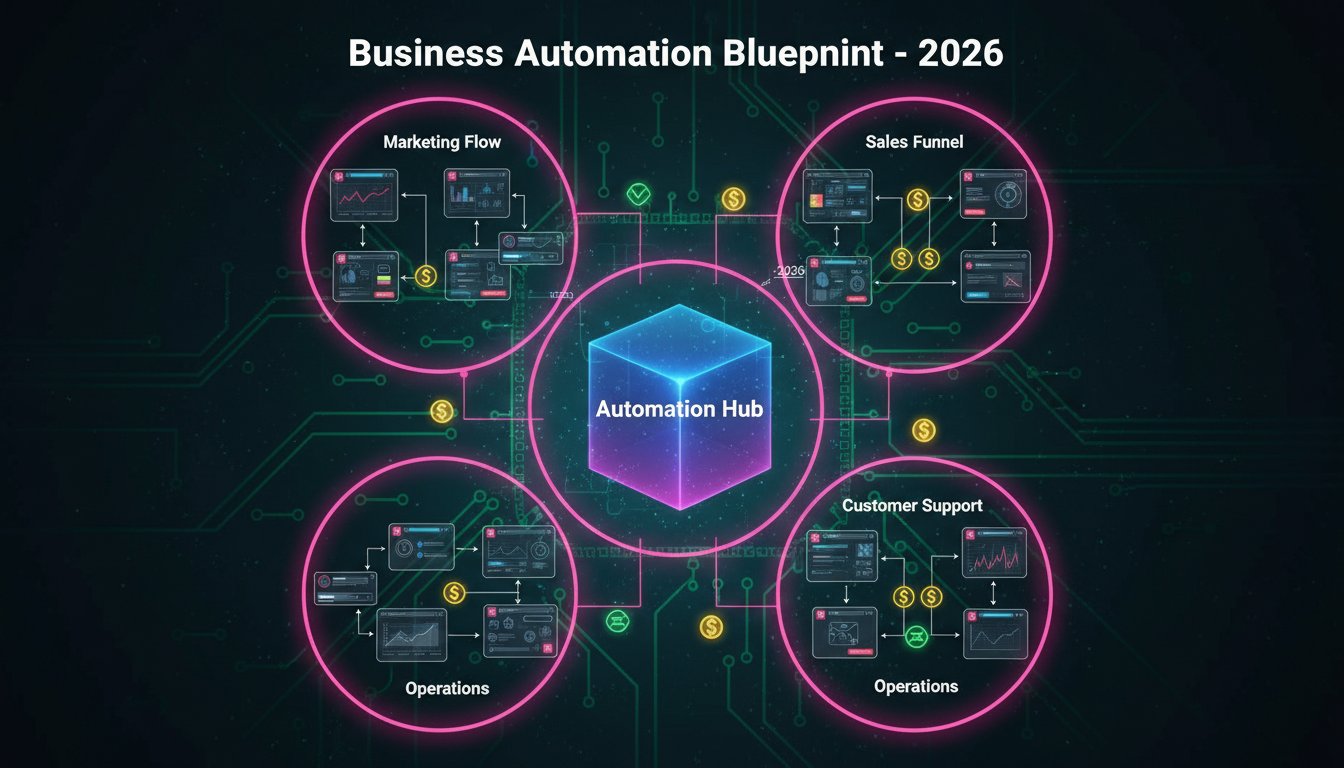
Automation promises efficiency, cost savings, and scalability—but many businesses struggle with where to begin. Trying to automate everything at once often leads to confusion, wasted investment, and low adoption. The smarter approach is to start with the right processes.
This article explains what should be automated first in any business, why those areas matter most, and how to prioritize automation for maximum impact.
Why Starting Small with Automation Matters
Automation works best when it’s intentional. Starting with the wrong processes can create more friction than value.
Common mistakes include:
- Automating complex workflows too early
- Choosing tools before understanding processes
- Focusing on “nice-to-have” features instead of real pain points
The goal of early automation is quick wins—reducing effort, errors, and delays where they happen most often.
The Best Rule of Thumb for Automation
A simple rule applies across all industries:
Automate tasks that are repetitive, time-consuming, and predictable.
These tasks don’t require human judgment, but they consume a lot of time and energy.
High-Impact Areas to Automate First
Repetitive Administrative Tasks
Administrative work is often the biggest productivity drain.
Good candidates for early automation include:
- Data entry and record updates
- Document creation and filing
- Task assignments and reminders
- Status tracking and reporting
Automating these tasks immediately frees up time across teams.
Communication and Follow-Ups
Missed follow-ups cause delays and lost opportunities.
Early automation opportunities:
- Automatic notifications when tasks are completed
- Scheduled reminders for approvals
- Standardized internal updates
This ensures work keeps moving without relying on memory or manual nudges.
Reporting and Visibility
Manual reporting is slow, error-prone, and often outdated by the time it’s ready.
Automation helps by:
- Pulling data automatically from systems
- Updating dashboards in real time
- Reducing the need for manual summaries
Leaders gain visibility without chasing updates.
Customer-Facing Processes to Automate Early
Inquiry Handling and Routing
Customer requests often pile up due to manual handling.
Automation can:
- Route inquiries to the right team
- Acknowledge requests instantly
- Track response times
This improves consistency and customer satisfaction.
Onboarding and Standard Requests
Processes with the same steps every time are ideal for early automation:
- Client onboarding
- Account setup
- Information requests
Standardization reduces errors and speeds up delivery.
Processes You Should Not Automate First
Not everything is a good candidate for early automation.
Avoid starting with:
- Highly variable tasks
- Strategic decision-making
- Processes that are unclear or undocumented
If a process is messy, automation will only make the mess faster. Fix the workflow first.
How to Identify the Right Starting Point
Ask these questions:
- Which tasks repeat daily or weekly?
- Where do delays happen most often?
- Which steps cause the most frustration?
- Where do errors keep occurring?
The answers point directly to the best automation opportunities.
Benefits of Automating the Right Things First
When businesses automate the right processes early, they see:
- Faster turnaround times
- Fewer errors
- Lower operational costs
- Happier employees
- Better customer experiences
Most importantly, teams gain confidence in automation instead of resisting it.
Automation Is a Journey, Not a One-Time Project
Early automation lays the foundation for bigger improvements later.
Once simple tasks are automated:
- Workflows become clearer
- Bottlenecks are easier to spot
- More advanced automation becomes possible
Starting small creates momentum and long-term success.
Businesses can reduce productivity risks by focusing on systems and structure.
Conclusion
The question isn’t whether to automate—it’s what to automate first. Businesses that start with repetitive, high-effort tasks see immediate benefits and avoid costly mistakes.
Automation works best when it supports clear workflows and removes friction—not when it’s rushed or unfocused.