
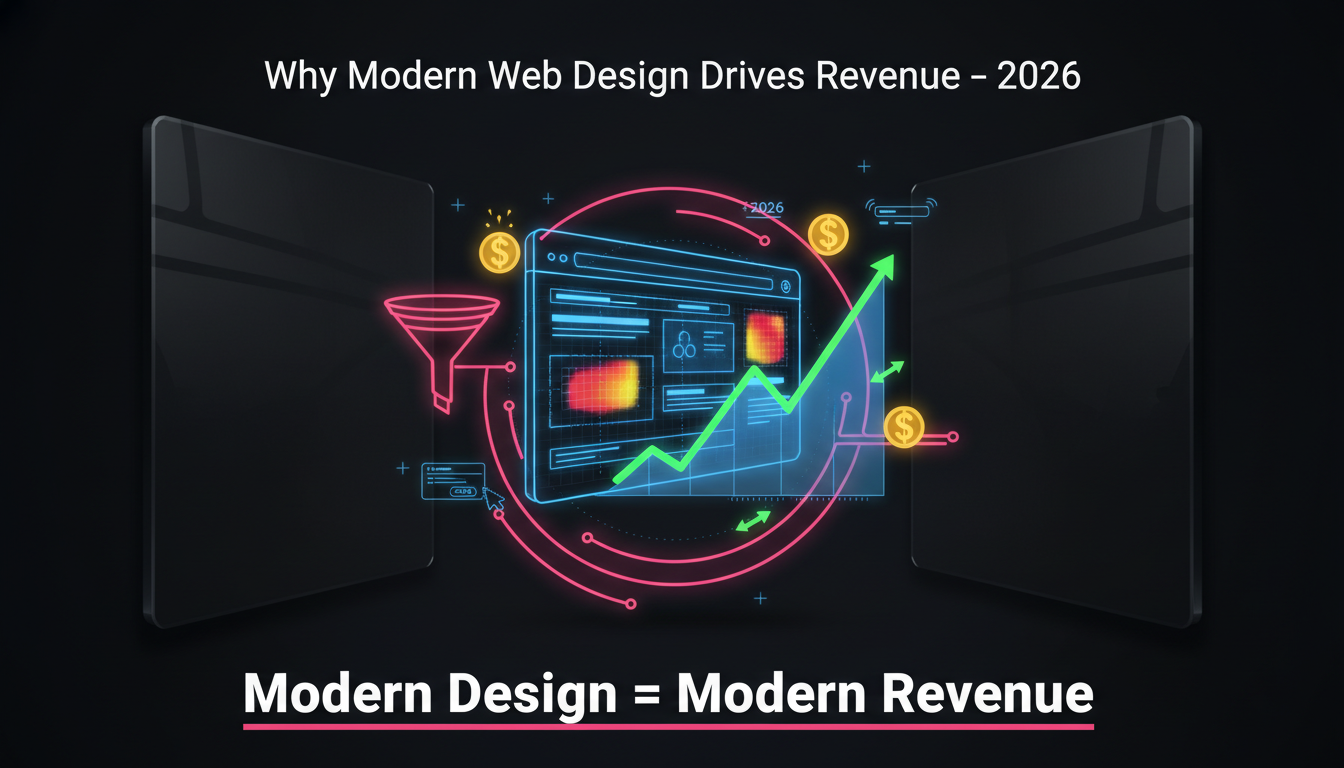
In 2026, web design is no longer just about looking good — it’s about driving engagement, conversions, and revenue. A modern website must guide users smoothly, reduce friction, and automate interactions that once required manual effort.
Businesses that adopt the latest web design trends are seeing higher engagement, longer session times, and better sales performance. Meanwhile, outdated designs with manual processes struggle to keep users interested.
In this article, we’ll explore the top web design trends that boost user engagement and sales, explain why they work, and show how automation plays a key role.
Why Modern Web Design Directly Impacts Sales
A website is often the first interaction customers have with your brand. Poor design leads to confusion, slow loading, and lost trust.
Modern web design helps businesses:
- Capture attention instantly
- Guide users toward clear actions
- Reduce bounce rates
- Automate conversions
Good design doesn’t just attract users — it converts them.
Top Web Design Trends Driving Engagement in 2026
1. Mobile-First & Responsive Design
With most users browsing on mobile, mobile-first design is essential.
Benefits include:
- Seamless experience on all devices
- Faster loading times
- Higher mobile conversions
Responsive layouts automatically adjust — removing the need for manual fixes across devices.
2. Minimalist Design with Clear CTAs
Clean layouts with focused messaging perform better than cluttered pages.
Key elements:
- White space for readability
- One primary CTA per page
- Simple navigation
Minimalism reduces decision fatigue and guides users toward conversion.
3. Interactive & Micro-Animation Elements
Micro-interactions improve engagement without overwhelming users.
Examples:
- Button hover effects
- Animated progress bars
- Interactive forms
These elements provide instant feedback and keep users engaged.
4. AI-Powered Personalization
Websites are becoming smarter.
AI-driven design features include:
- Personalized content sections
- Product recommendations
- Dynamic CTAs based on user behavior
Automation replaces manual segmentation and increases relevance.
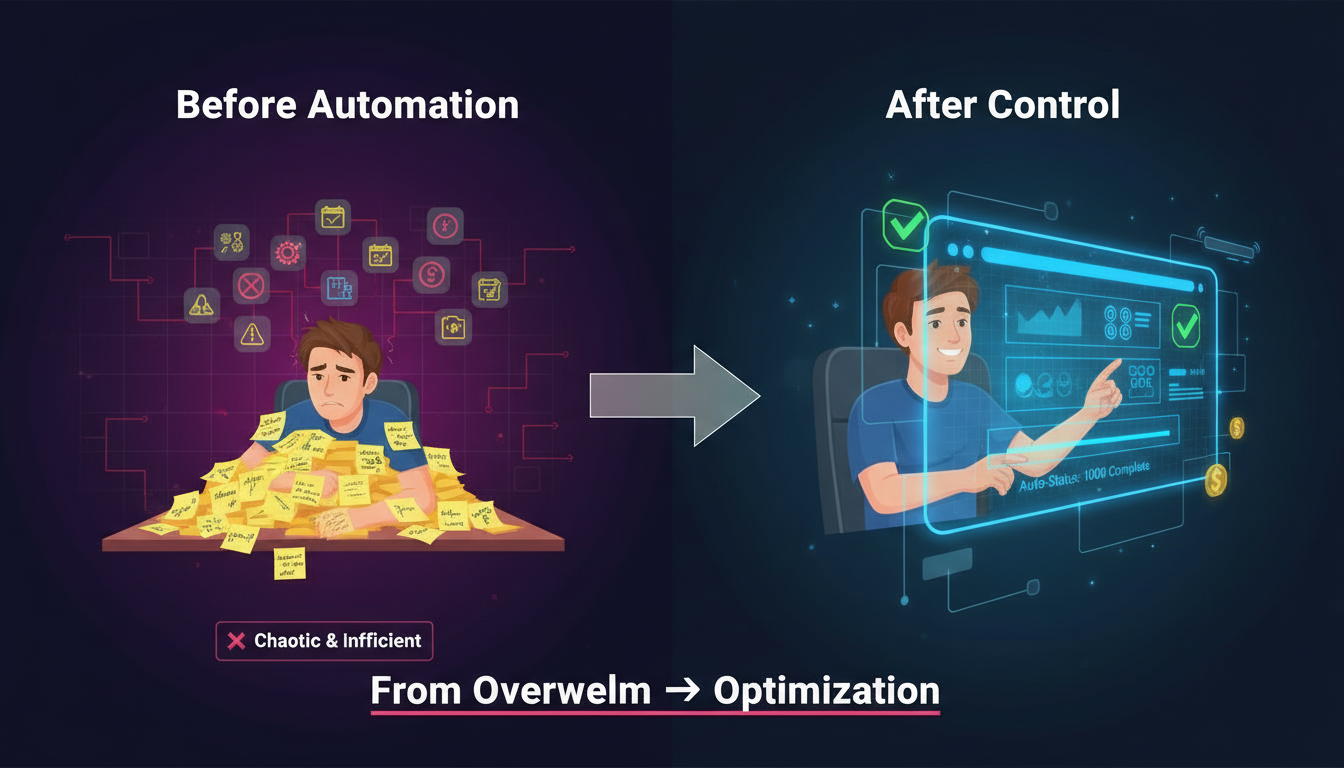
Manual Operations vs Automation: A Clear Comparison
Example: User Engagement Tracking
Manual Approach:
- Review analytics manually
- Guess user intent
- Generic content for all users
- Delayed optimization
Automated Approach (Modern Web Design):
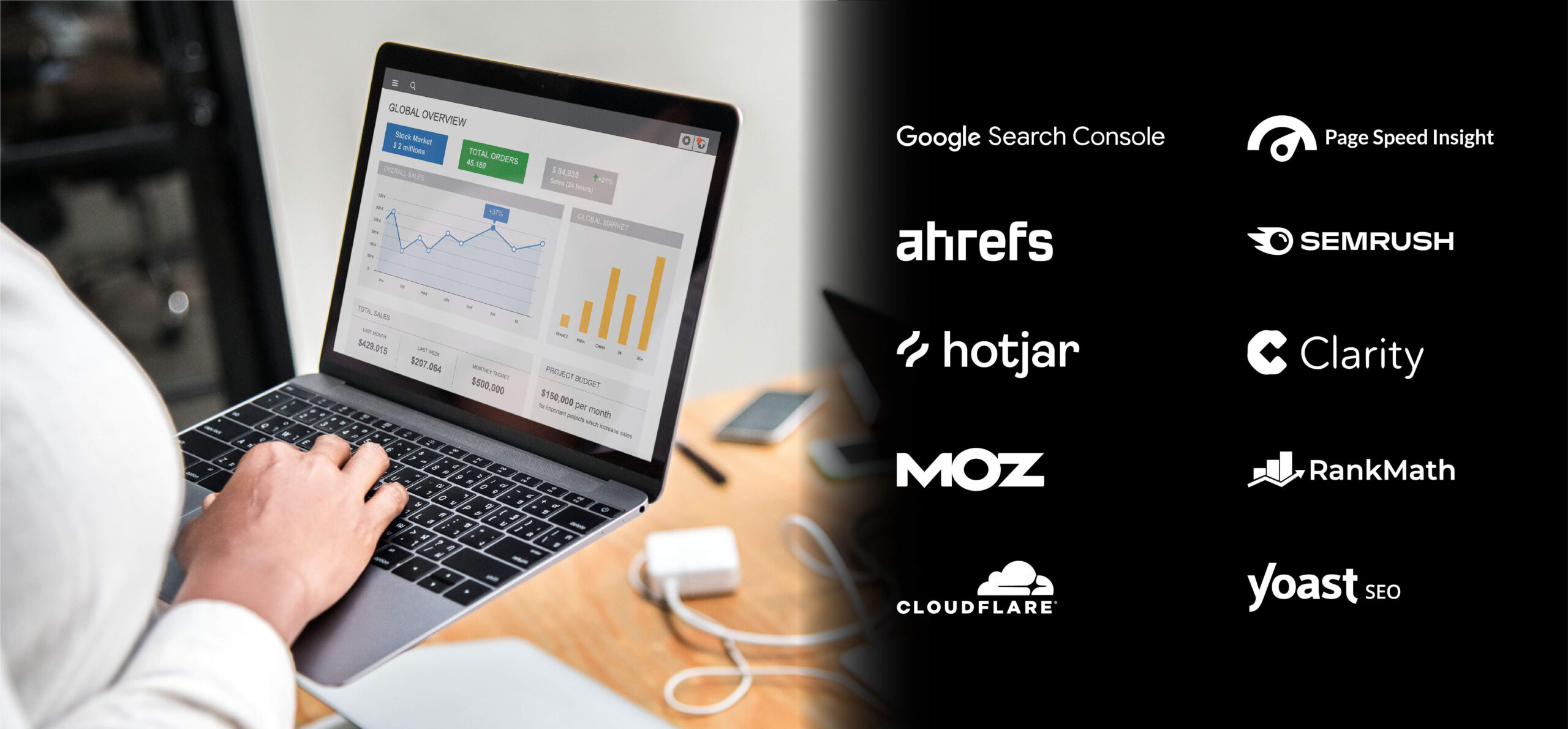
- Heatmaps and behavior tracking
- AI-driven insights
- Personalized user journeys
- Real-time optimization
Result: Higher engagement, better conversions, less guesswork.
Design Trends That Increase Sales Directly
Conversion-Focused Layouts
- Above-the-fold CTAs
- Trust badges and reviews
- Clear value propositions
Fast Load Speed & Performance Design
- Optimized images
- Lazy loading
- Lightweight frameworks
Speed directly impacts sales — even a 1-second delay can reduce conversions.
Smart Forms & Automated Funnels
Modern forms are designed to convert:
- Fewer fields
- Autofill options
- Inline validation
Automation ensures:
- Instant follow-ups
- CRM integration
- Lead scoring
How Automation Enhances Web Design Trends
Automation works behind the scenes to maximize design impact.
Marketing Automation
- Automated checkout flows
- Abandoned cart recovery
- One-click actions
Sales Automation
- AI chatbots
- Self-service sections
- Automated ticket routing
Traditional vs Trend-Driven Website Comparison
Traditional Website:
- Static pages
- Manual updates
- Generic user experience
- Lower engagement
Trend-Driven Website:
- Dynamic content
- Automated personalization
- Interactive design
- Higher engagement and sales
Conclusion: Design Trends That Turn Visitors into Customers
Web design trends in 2026 focus on clarity, speed, personalization, and automation. Businesses that adopt these trends don’t just look modern — they perform better.
By combining smart design with automation, you reduce manual effort, improve user experience, and increase sales.