
Building a professional website is not a one-day task or just about choosing colors and layouts. In 2026, a professional website design process is structured, strategic, and focused on performance, automation, and business growth.
Many businesses fail online because they rush website development or rely on manual, unplanned approaches. A professional process ensures your website is user-focused, SEO-ready, scalable, and automated where possible.
This step-by-step guide explains exactly what to expect from a professional website design process and how each stage contributes to better results
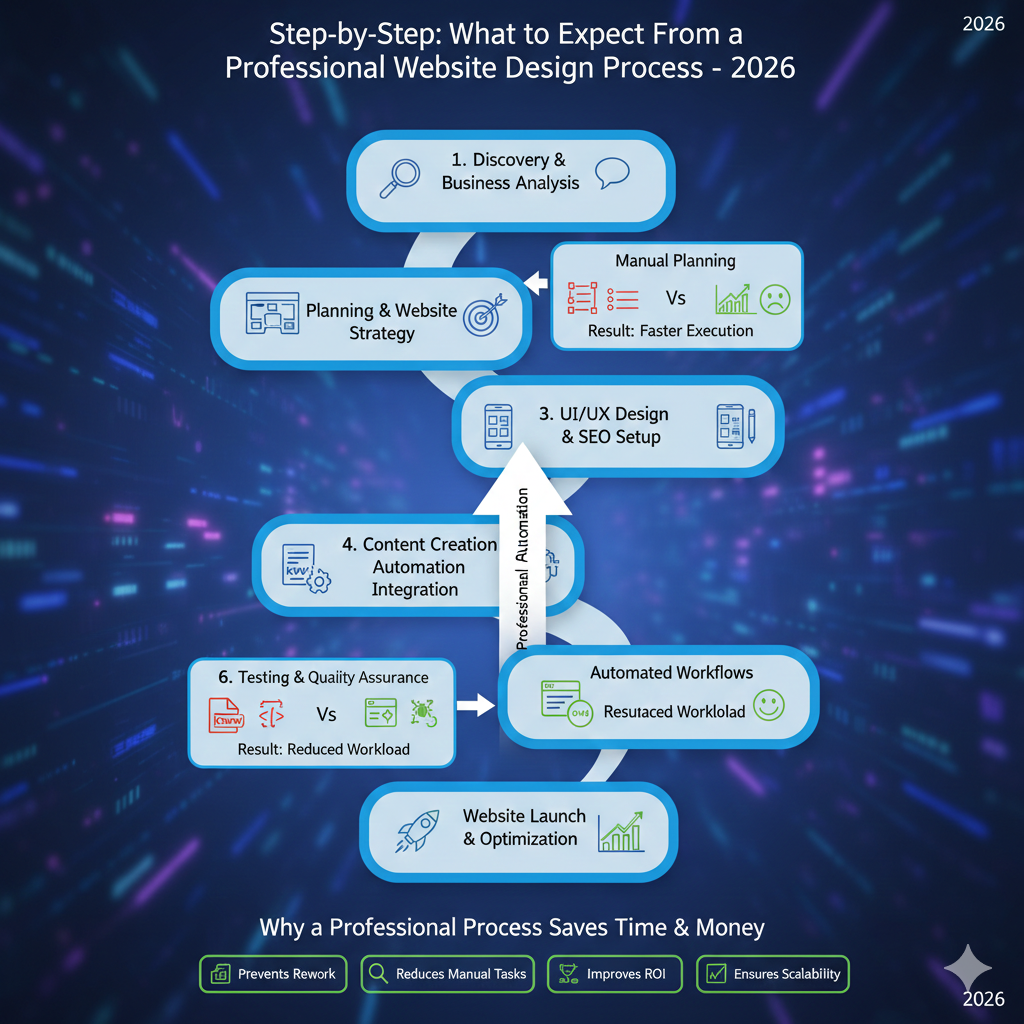
Step 1: Discovery & Business Analysis
Every successful website starts with understanding your business.
What Happens in This Stage
- Business goals discussion
- Target audience analysis
- Competitor research
- Website purpose definition
This step prevents costly redesigns later and aligns the website with your growth strategy.
Step 2: Planning & Website Strategy
Once goals are clear, planning begins.
Key Planning Elements
- itemap creation
- User journey mapping
- Content structure
- Feature and automation planning
A professional plan replaces guesswork with strategy.
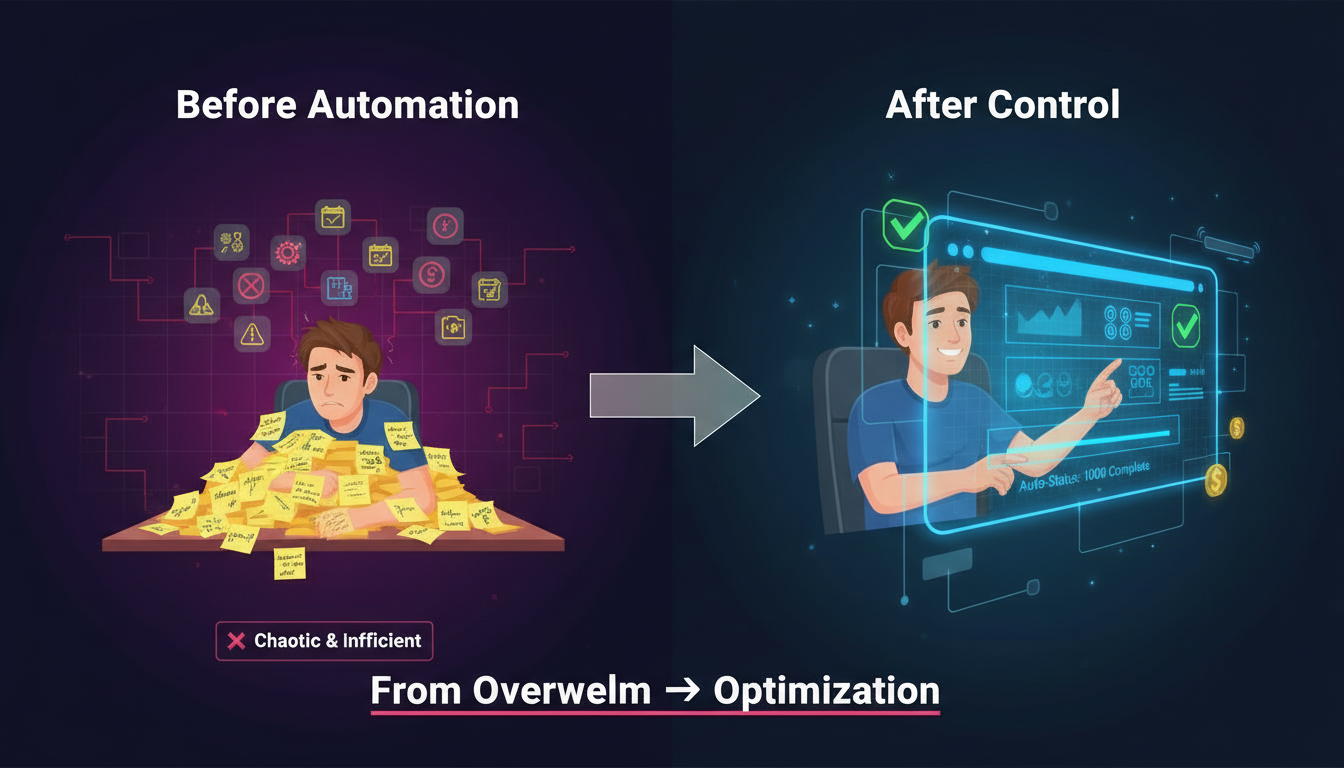
Manual Planning vs Automated Strategy Tools
Manual Approach:
- Guess-based structure
- No data validation
- Frequent revisions
Professional Approach:
- Data-driven decisions
- UX mapping tools
- SEO and conversion insights
Result: Faster execution and fewer errors.
Step 3: UI/UX Design & Wireframing
Design is more than visuals — it’s about experience.
UX & UI Focus Areas
- Mobile-first layouts
- Easy navigation
- Clear call-to-actions
- Brand consistency
Wireframes help visualize structure before development begins.
Step 4: Content Creation & SEO Setup
Content and SEO are integrated early in professional projects.
SEO Setup Includes
- Keyword mapping
- Meta titles and descriptions
- Heading hierarchy
- Internal linking structure
Content Optimization Benefits
- Higher rankings
- Better engagement
- Clear messaging
Step 5: Development & Automation Integration
This is where design becomes a working website.
Development Includes
- Clean, scalable code
- Responsive design
- Speed optimization
- Security setup
Automation Integration
- Contact form automation
- CRM connections
- Email notifications
- Analytics tracking
Manual Development vs Automated Workflows
Manual Website Setup:
- Static forms
- Manual updates
- Limited tracking
Professional Setup:
- Automated data handling
- Real-time analytics
- Scalable features
Result: Reduced workload and better performance.
Step 6: Testing & Quality Assurance
Before launch, everything is tested.
Testing Checklist
- Mobile and browser compatibility
- Page speed testing
- Form functionality
- Security checks
This ensures a smooth user experience.
Step 7: Website Launch & Optimization
Launching is just the beginning.
Post-Launch Activities
- Performance monitoring
- SEO indexing checks
- User behavior analysis
- Conversion optimization
Automation tools help track and improve results continuously.
Why a Professional Process Saves Time and Money
A structured process:
- Prevents rework
- Reduces manual tasks
- Improves ROI
- Ensures scalability
Shortcuts often lead to long-term costs.
Conclusion: Trust the Process for Better Results
A professional website design process is strategic, automated, and results-driven. Each step plays a critical role in creating a website that ranks well, converts visitors, and supports business growth.