
In 2026, first impressions matter more than ever. Your audience judges your brand within seconds, and visually appealing graphic design can make or break that impression. Eye-catching graphic design isn’t just decoration; it’s a strategic tool that enhances brand identity, builds trust, and drives engagement.
From social media posts to website visuals, packaging, and marketing materials, professional graphic design ensures your brand stands out in a crowded marketplace. Combined with automation, it can reduce manual tasks while maintaining consistent brand messaging across all channels.
Why Graphic Design Is Critical for Brand Success
Strong visual design strengthens your brand in multiple ways:
- Improves brand recognition and recall
- Increases user engagement and attention
- Enhances credibility and trust
- Supports marketing automation and campaigns
Without professional design, businesses risk appearing unprofessional, inconsistent, or forgettable.
Core Elements of Eye-Catching Graphic Design
Brand Consistency
Consistency ensures that all visuals reflect your brand identity.
Key aspects:
- Logo usage and placement
- Brand colors and typography
- Visual tone and style guidelines
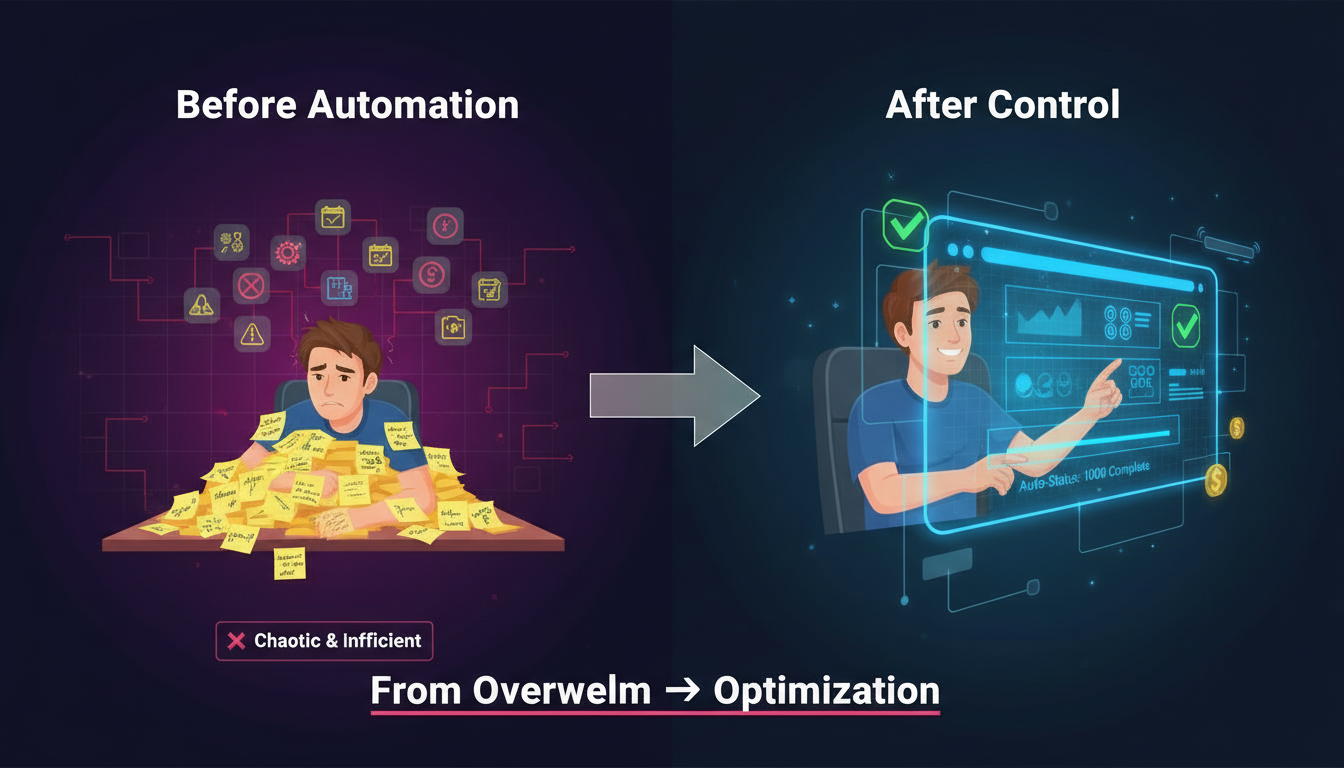
Manual updates often lead to inconsistencies, while automation tools maintain uniform design across platforms.
Visual Hierarchy & Layout
Effective design guides the viewer’s eye and emphasizes important elements.
Best practices:
- Use contrasting colors for emphasis
- Highlight calls-to-action
- Organize content logically
- Employ whitespace effectively
Automation can generate templates that preserve hierarchy for different campaigns, reducing manual adjustments.
Engaging Multimedia Elements
Incorporating graphics, animations, and videos increases engagement.
Examples:
- Infographics for complex data
- Animated banners for web pages
- Short videos for social media campaigns
Automation tools can schedule and optimize media publishing for maximum impact.
Manual Operations vs Automation in Graphic Design
Example: Social Media Visuals
Manual Approach:
- Design each post individually
- Manually resize for each platform
- Upload and schedule posts one by one
- Time-consuming and error-prone
Automated Approach:
- Use design templates with brand elements
- Auto-resize visuals for different platforms
- Schedule posts across multiple channels
- Maintain consistent branding automatically
Result: Increased efficiency, time savings, and consistent engagement.
UX & Website Design Integration
Graphic design impacts website performance and user experience:
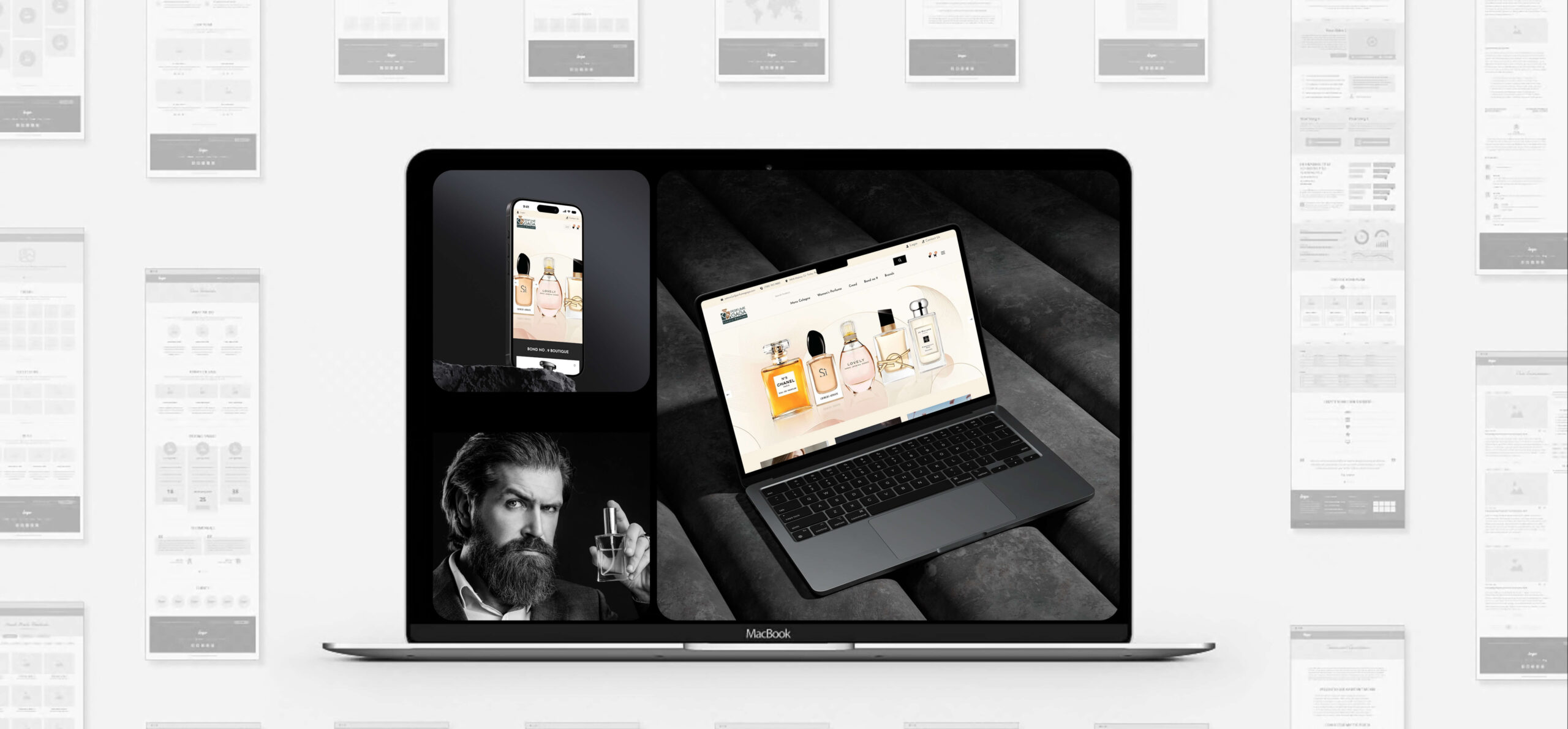
- Attractive landing pages increase conversions
- Visual cues guide user behavior
- Consistent branding reduces bounce rates
Automation tools can dynamically update banners, CTAs, and promotional visuals based on user behavior, reducing manual interventions.
Marketing & Branding Automation
Automation allows you to integrate graphic design across campaigns:
- Personalized email marketing with branded visuals
- Automated ad creatives for multiple campaigns
- Dynamic visual content for retargeting ads
This reduces repetitive tasks and ensures consistent messaging across channels
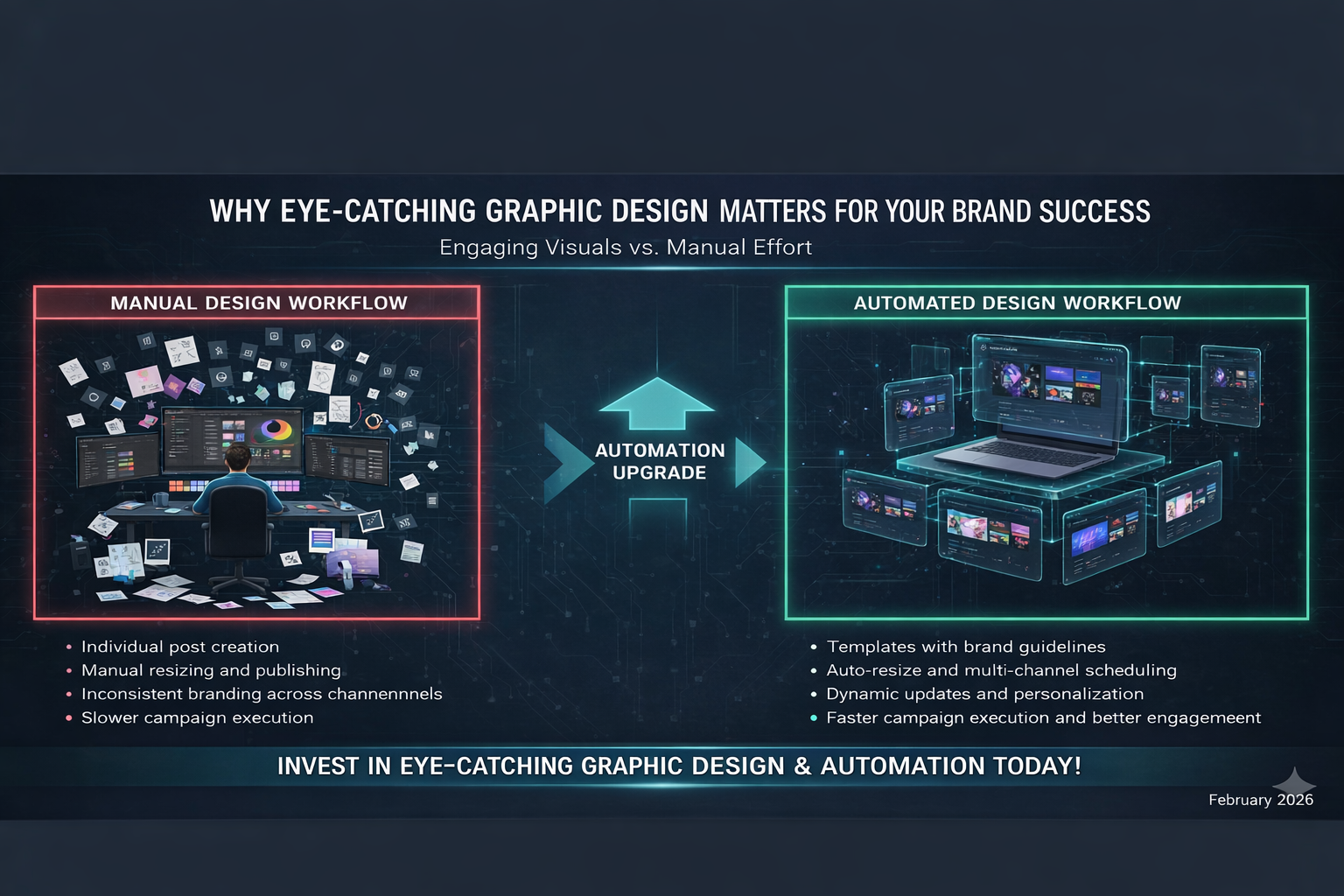
Case Study: Manual vs Automated Design Operations
Manual Design Workflow:
- Individual post creation
- Manual resizing and publishing
- Inconsistent branding across channels
- Slower campaign execution
Automated Design Workflow:
- Templates with brand guidelines
- Auto-resize and multi-channel scheduling
- Dynamic updates and personalization
- Faster campaign execution and better engagement
Conclusion: Invest in Eye-Catching Graphic Design for Success
Eye-catching graphic design is essential for brand success in 2026. It improves recognition, enhances trust, and can be integrated with automation to streamline marketing efforts.