
In 2026, great brands are not remembered only for what they sell, but for how they look and feel. From the first idea to the final visual identity, brand design plays a critical role in shaping perception, trust, and recognition.
Great brand design is not accidental. It is the result of a clear concept, consistent visuals, and systems that ensure every graphic, post, and page reflects the same identity. When supported by automation and design systems, brands can maintain this consistency without relying on time-consuming manual work.
This guide explores how brand design evolves from a simple concept into an iconic visual identity that people recognize instantly.
What Is Brand Design?
Brand design is the visual representation of your brand’s personality, values, and promise.
It includes:
- Logo and logo variations
- Color palette and typography
- Graphic elements and patterns
- Imagery and illustration style
- Layout and visual structure
A strong brand design ensures your business looks professional and memorable everywhere.
Start With a Clear Brand Concept
Every iconic brand starts with a clear idea.
Questions to define your concept:
- What does your brand stand for?
- Who is your target audience?
- What emotions should your visuals create?
- How do you want people to remember you?
Without a clear concept, visuals become random and inconsistent.
Turn the Concept Into Visual Elements
Once the concept is clear, it must be translated into design.
Logo That Reflects Identity
- Simple and memorable
- Scalable across platforms
- Unique to your brand
Colors That Communicate Emotion
- 2–4 primary colors
- Consistent usage rules
- Strong contrast for readability
Typography That Matches Tone
- Clean and professional fonts
- Defined heading and body styles
Automation tools can enforce these rules across all brand materials.
Consistency Is What Makes Brands Iconic
People recognize brands through repetition.
Consistency must appear in:
- Website design
- Social media posts
- Marketing materials
- Advertisements and emails
Manual design updates often lead to inconsistencies, while automated brand systems maintain uniform visuals everywhere.
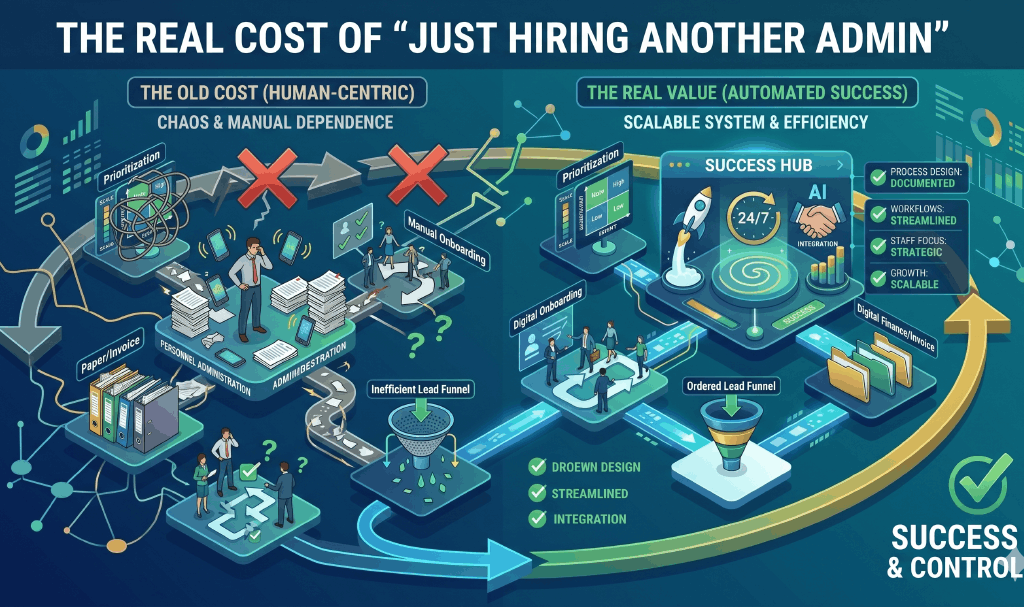
Manual Operations vs Automation in Brand Design
Example: Campaign Visuals
Manual Approach:
- Designers recreate visuals for each campaign
- Different styles appear across platforms
- Time-consuming edits and approvals
Automated Approach:
- Brand templates with locked styles
- Auto-resizing and adaptation
- Faster approvals and publishing
Result: Stronger recognition with less effort.
Design Systems and Brand Guidelines
Great brands use design systems to protect their identity.
A design system includes:
- Logo usage rules
- Color codes and font styles
- Templates for posts and banners
- Asset libraries for teams
Automation ensures everyone follows these rules without manual checking.
Align Brand Design With User Experience (UX)
Brand visuals should improve usability, not just appearance.
Example:
- Clear buttons and CTAs
- Consistent icons and layouts
- Familiar patterns across pages
Automation allows dynamic updates without breaking brand consistency.
Evolve Without Losing Identity
Iconic brands evolve their design over time without losing recognition.
Tips:
- Refresh visuals gradually
- Keep core elements recognizable
- Update layouts while maintaining colors and logo
Automation tools make global updates easier across all platforms.
Case Study: From Weak Concept to Iconic Brand
Weak Brand Design (Manual):
- No clear visual rules
- Different styles across platforms
- Repetitive design work
- Low recognition
Iconic Brand Design (Automated):
- Clear concept and visual system
- Templates and asset libraries
- Consistent look everywhere
- High trust and recall
Conclusion: Build a Brand That Becomes an Icon
Great brand design starts with a concept and becomes iconic through consistency, systems, and smart automation. In 2026, brands that invest in professional design frameworks stand out, stay memorable, and build long-term trust.